The 2024 Young Researchers' Day closed its doors a few days ago, and we would like to thank our many speakers, as well as the large audience who came to take part in this event.
REPORT ON THE YOUNG RESEARCHERS' DAY OF 17 MARCH 2024
Since 2003, the Society for the History of the Jews of Tunisia (S.H.J.T.) has regularly organised a study day known as the “Young Researchers' Day”. The purpose of this day is twofold:
- on the one hand, to allow established researchers and master’s or doctoral students to present the main outlines or a particular aspect of their research, to gather, where appropriate, information and guidance from qualified people, and to take stock of the state of current research on the history of the Jews of the Maghreb.
- on the other hand, to present a research theme selected by our Society’s scientific council for the coming academic year (or the next two years), to define its key questions, to survey the existing sources, and to learn about the first works undertaken.
The theme selected is: the practice of sport by the Jews of Tunisia during the colonial period and the first years following Independence.
Previous days of this kind had been held at the Sorbonne or at the École Normale Supérieure. Since it is now impossible to use university rooms on Sundays, this Day took place at the Town Hall of the 9th arrondissement of Paris, 6 rue Drouot, which has a very fine room (Salle Rossini), highly functional and equipped with quality audiovisual equipment, kindly made available to us by Ms Delphine Burkli, Mayor of the 9th arrondissement.
The Day was divided into two sessions: the morning session devoted to the presentation of recent work, and the afternoon session devoted to the theme of the practice of sport by the Jews of Tunisia.
Our association received a grant from the Flak Foundation, hosted by the Fondation du judaïsme français, for the organisation of this day.
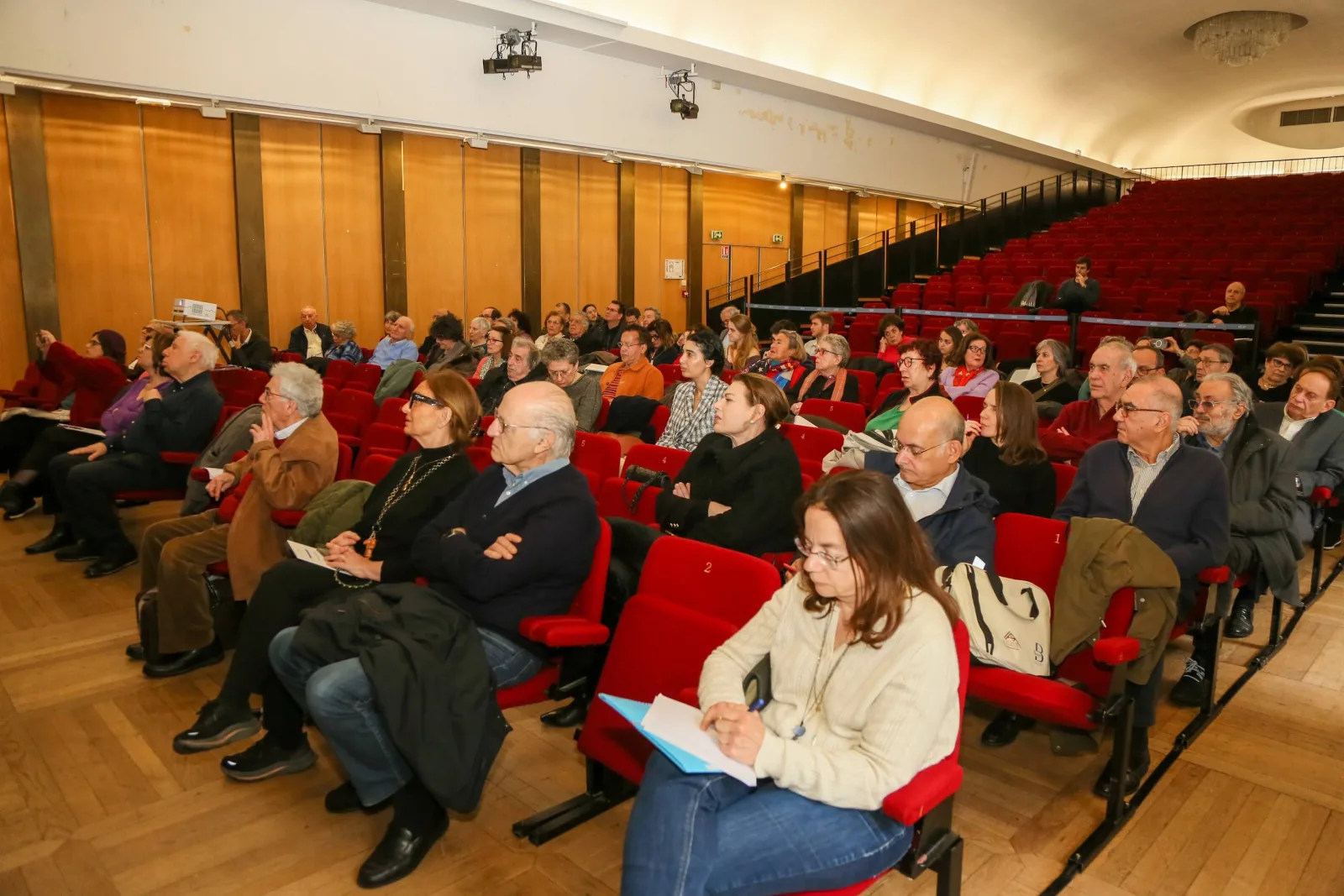
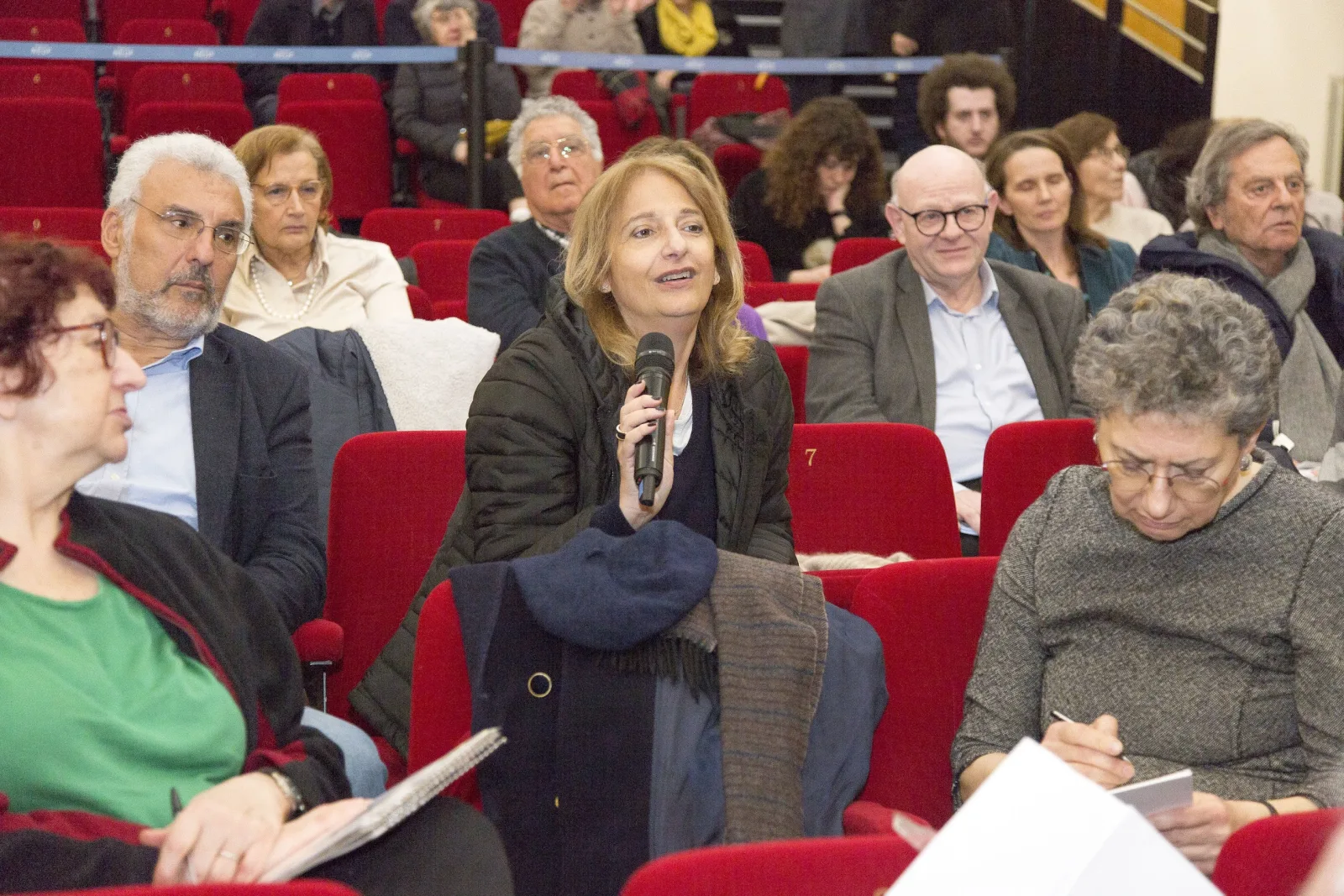
An interested audience attended the discussions. The morning session brought together 120 attendees, mostly students and researchers keen to learn about new research recently completed or still in progress. Contrary to our expectations, the afternoon session was less well attended. We counted fewer than 100 attendees at the opening of the session and 80 throughout. The majority of the audience consisted of people who had practised sports in Tunisia and who came as witnesses, while students and, more generally, academics were fewer in number but very eager for avenues to explore and interested in the prospect of further research.
MORNING SESSION: PRESENTATION OF RECENT WORK
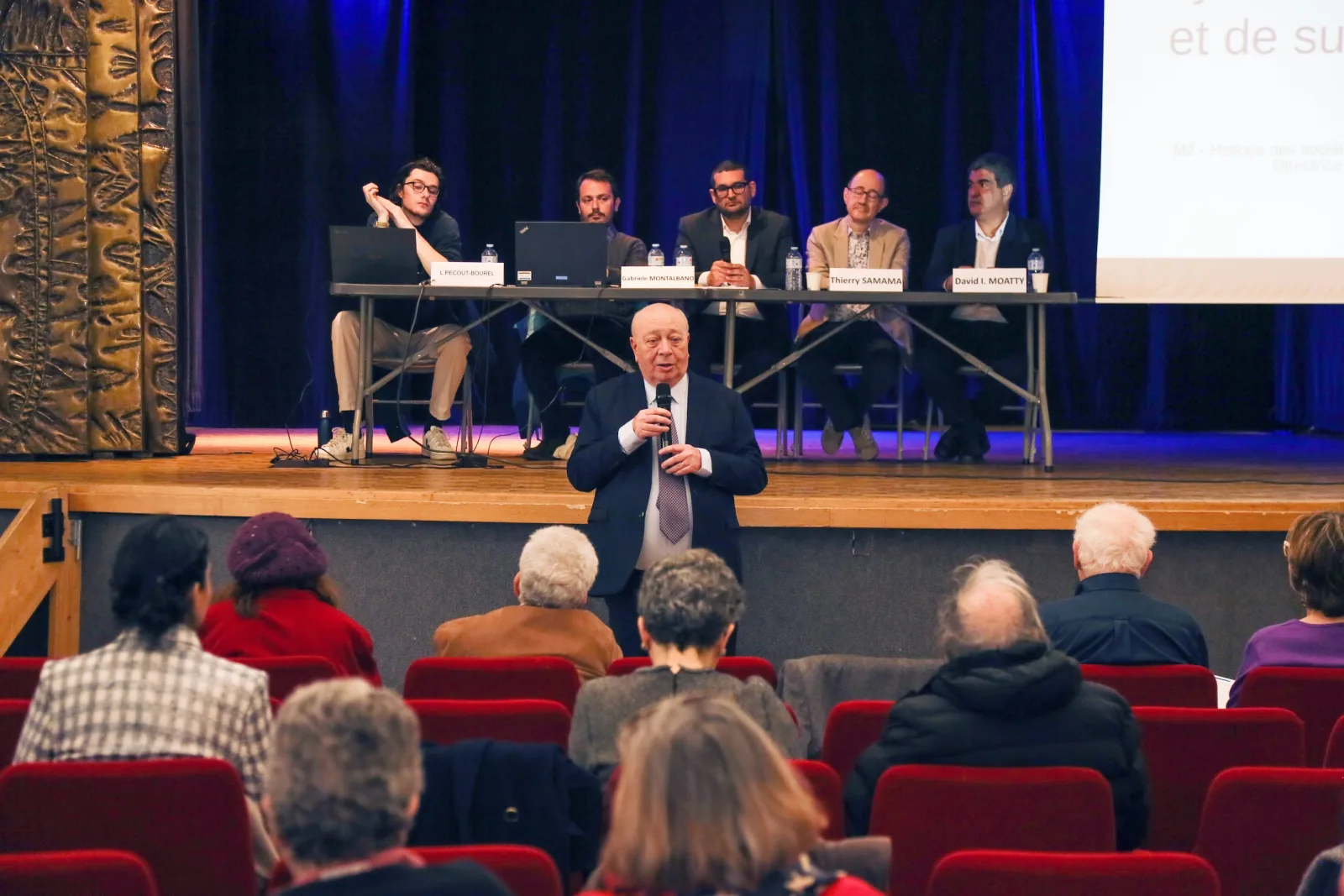
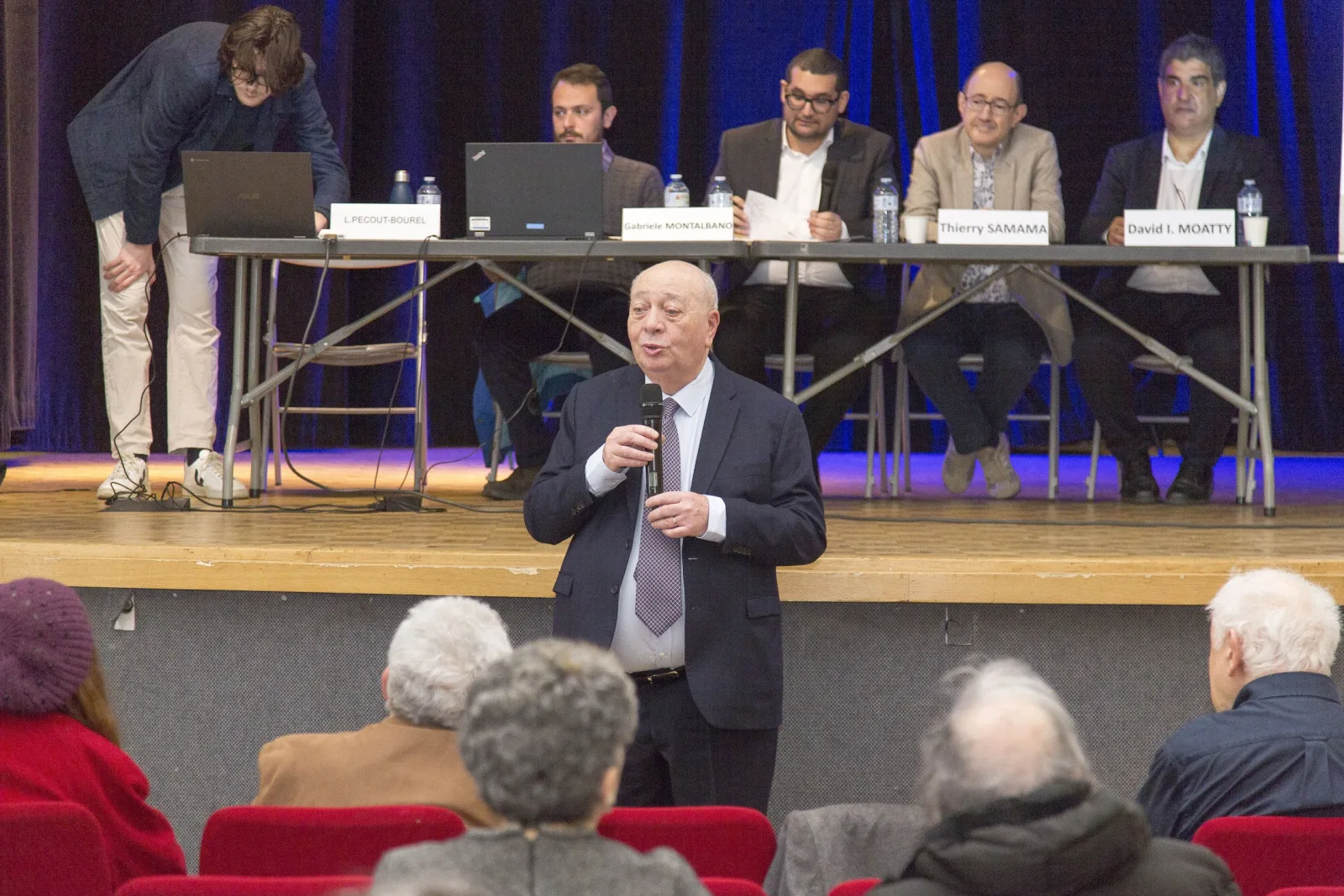
In this session, chaired by Jérémy Guedj, Associate Professor at the Université de Nice Côte d’Azur and at Sciences-Po and Vice-President of the SHJT, four speakers presented their work: two French, one Italian and one Israeli.
By way of preamble, we should recall that in 2022 and 2019 we had heard 10 papers, and 12 and 14 in the preceding years.
We had consistently been able to welcome two or three Israelis and at least four Tunisians among the authors of papers. This year, several Israeli doctoral students, invited by us as early as July 2023 and who had agreed in principle, had to withdraw because of their military obligations. As for the Tunisians, the current situation led them to prefer not to take part, so as not to be subject to criticism or even threats within their universities.
More generally, we must note the decline in the number of doctoral students interested in the history of the Jews of the Maghreb within French universities as well as in Israeli and Tunisian universities. Several reasons may explain this decline, at least as far as French universities are concerned: a drop in the level of history students, a decrease in the number of doctoral students, a lack of interest after a more prosperous period, the need for archival research in Tunisia and Israel for most topics, and real fears that students wishing to work on a subject related to Jews in general may be blacklisted.
A learned society such as ours must resume the crusade undertaken in the 1990s for Jewish studies and, within these studies, for the history of the Jews of the Maghreb.
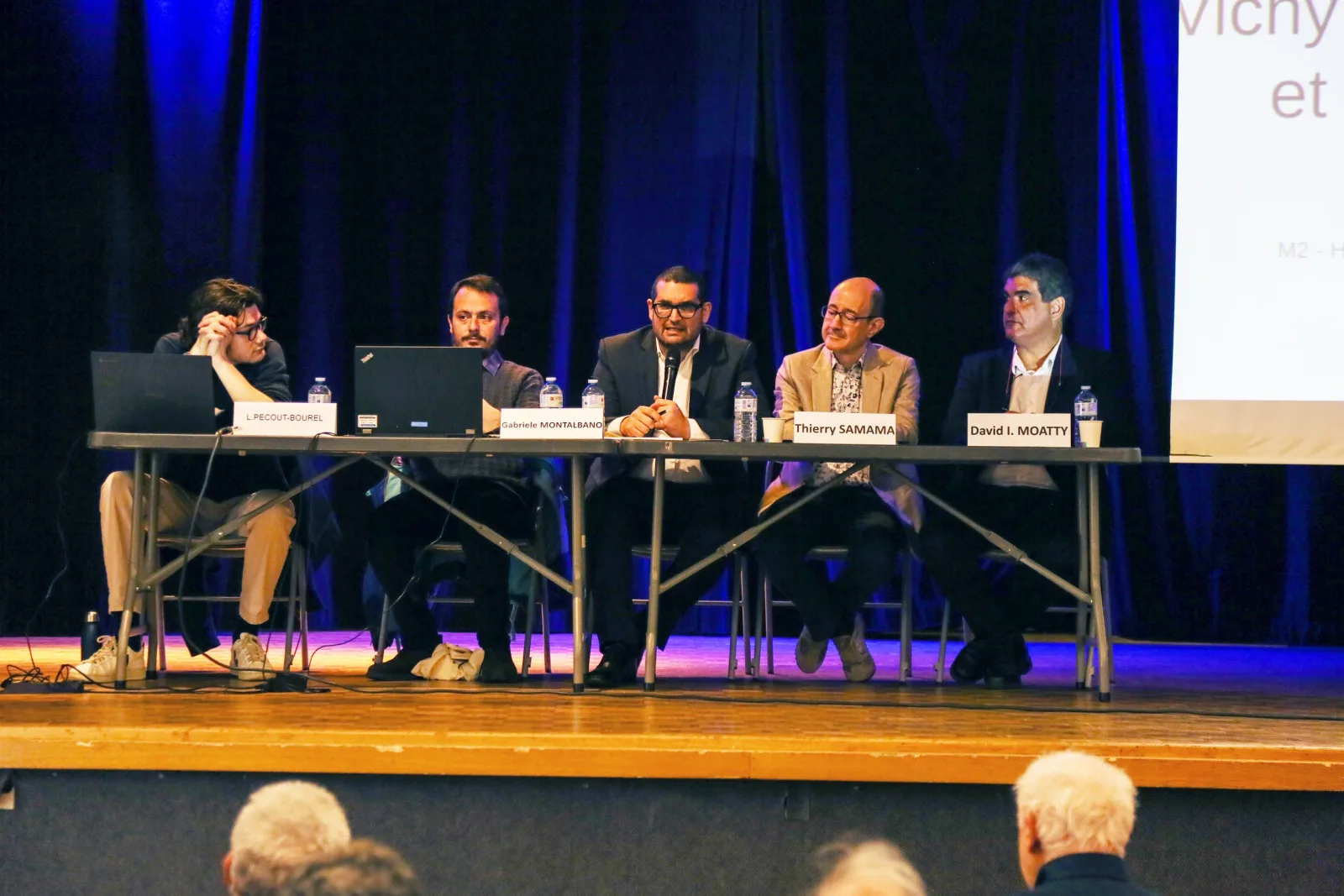
The first speaker, Léonard Pécout-Bourel, is preparing a thesis under the supervision of Laura Hobson-Faure at the Université Panthéon-Sorbonne on the following subject: “The Jews of Tunisia who lived in Paris under the German occupation”. Being at the start of his research, he presented his methodology, his corpus and the main outlines of his provisional research question. This presentation, delivered with rigour and logic, showed the interest and richness of the subject, his very good grasp of it and a sound identification of the corpus, which will need to be supplemented by sources pointed out or suggested to him during the discussion.
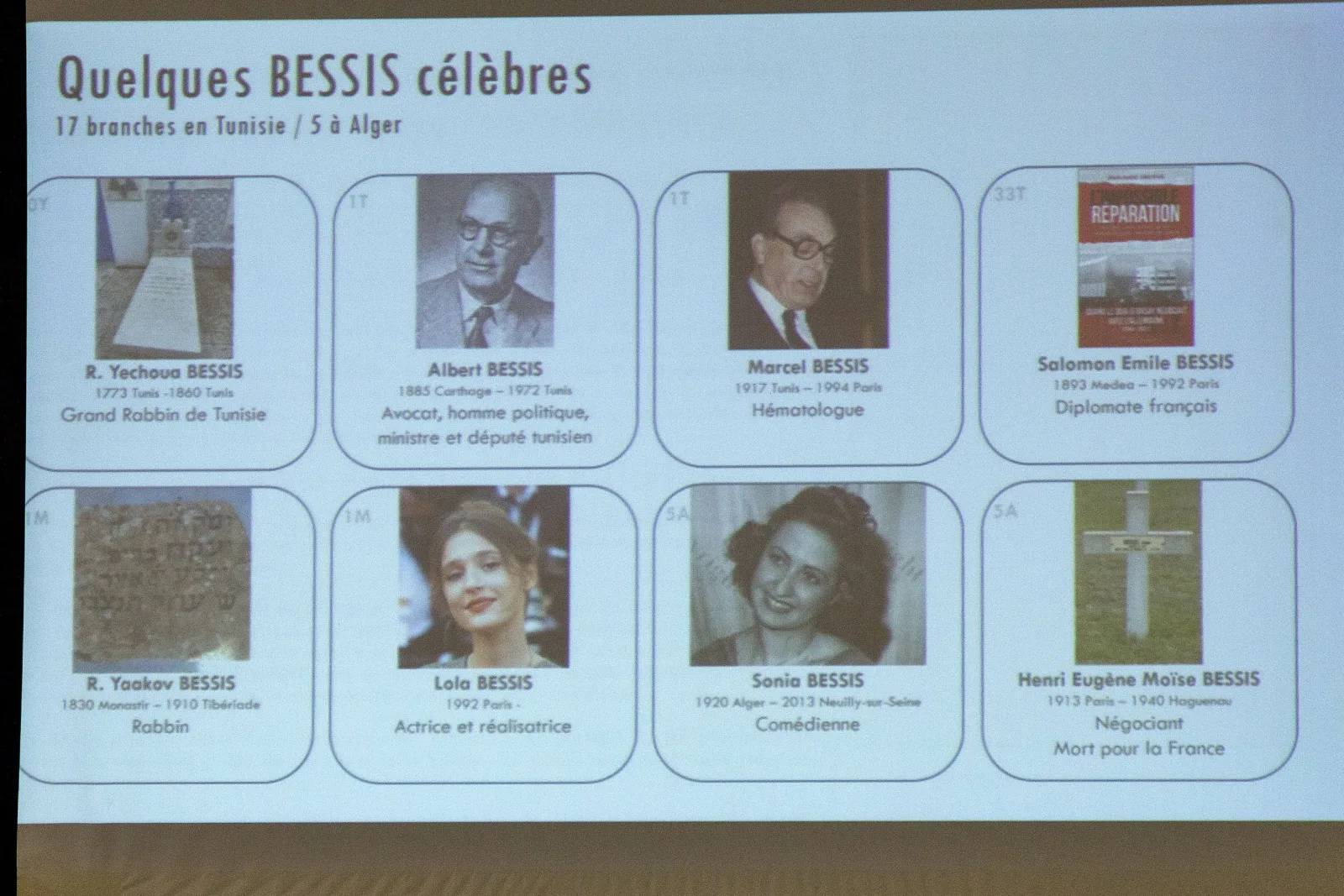
The second speaker, Thierry Samama, a specialist in Jewish genealogy, presented research on the origins of the Bessis family, a family of notables in the Jewish community of Tunisia from the 19th to the 20th century, whose origins he traces back to medieval France before the expulsion edict of Charles VI, then to Spain and the Maghreb from 1392 and the first Spanish persecutions that foreshadowed those of Ferdinand and Isabella the Catholic.
The third speaker, David Ichoua Moatty of the Hebrew University of Jerusalem, presented a still unpublished and fascinating study of poems written in Judeo-Arabic in Tunisia during the Second World War, lamenting the successes of the Axis troops or, on the contrary, rejoicing at their defeats, and showering blessings on the names of Churchill, Roosevelt and Charles de Gaulle.
The fourth speaker, Gabriele Montalbano, defended in 2019 at the University of Bologna a thesis on “The Italians of Tunisia between 1881 and 1918”, published in 2022 in the collection of the École française de Rome. From this thesis he drew information on the structure and the political and
patriotic aspirations of the Italian Jews within this Italian community subject to the French protectorate.
Overall, all the papers were of high quality, some revealing remarkable work, others work still in its early stages but promising. There was no poor-quality paper. The discussions with the audience and the academics present provided the authors of some papers with information or lines of research.
AFTERNOON SESSION: A RESEARCH THEME – THE JEWS AND SPORT IN TUNISIA
The afternoon session was organised in partnership with the Commission française des archives juives. It was divided into four parts.
1 – The first part, entitled “Sporting practices in a colonial situation: sociability and identities”, was chaired by Valérie Assan, President of the Commission française des archives juives. In an introduction of about ten minutes, the chair emphasised that the chosen theme was new in research and off the beaten track. Beyond the relationship of the Jews of Tunisia with physical exercise, it aims to examine the Jewish and non-Jewish associative fabric in the colonial setting, the relationships forged between communities through sport – both friendly and conflictual –, the views of the Jewish community elites and of the rabbinate on the practice of sport, and the role of sport in the political and legal development of individuals. She outlined the fields to be investigated and the available corpus, already partially identified.
Claude Nataf presented a paper on the general history of the practice of sport by the Jews of Tunisia, distinguishing three periods:
- the first period, from 1900 to the First World War: sport concerned only a small economic and cultural elite, largely educated in French schools and in the schools of the Alliance israélite universelle. Strongly influenced by hygienism and concern for good health, this elite intended to
continue in adulthood the example acquired at school. Hence the birth of a first, rather elitist club in 1907, then of a second, more popular association in 1912. Physical exercise was also seen as a means of preparing for military service, the corollary of a French naturalisation that was demanded and soon hoped for. - the second period is that of the interwar years: sport was encouraged by community bodies of all persuasions, within religious associations but also within secular associations, and particularly encouraged within the latter.
Sport was perceived as a means of integration into the City, of entry into the other communities and of political emancipation. Equality in sport was a happy prelude to the equality demanded in the City. Subject to further research and more in-depth measurement, it
appears that sporting practice, once the preserve of a small economic and intellectual elite, spread to all strata of the Jewish population, both in Tunis and in the major towns of the interior. While Jewish athletes were found in all disciplines, including shooting and fencing, football aroused great enthusiasm, particularly among the most working-class part of the Jewish population. Jewish athletes from Tunisia distinguished themselves in national and international competitions. Young Perez was world boxing champion in 1931. In 1936, two Jewish athletes from Tunisia, Marcel Fitoussi in pistol shooting and Zizi Taieb in swimming, were selected for the Berlin Olympic Games.
- The third period runs from 1945 to Tunisian Independence (1956). After the moral shock caused by the discriminatory laws of the Vichy government, the Jewish sports associations were slowly rebuilt. There was a withdrawal into identity, in tacit break with the desire for integration through sport that had characterised the pre-war period. The ideological dimension changed. The Jewish Community of Tunis, with the help of the American Joint, organised a new association
“Sport et Joie” (Sport and Joy) dedicated to the poorest children. The Zionist movements of all persuasions created specific sports associations to prepare the young Jews of Tunisia for Aliyah and for the living conditions of the Israeli pioneers. While sporting practice grew ever more intense, it was much less based on a desire for integration and emancipation.
The Tunisian professor Abdelhamid Larguèche, who, despite threats from those who forbid any scientific contact with Israeli academics, agreed to take part in this Day out of loyalty to academic principles, took up the paper of Claude Nataf to
demonstrate the similarities and differences in the approach to sporting practice of the Muslim community. The latter saw sporting practice above all as a means of asserting a Tunisian national identity and exalting nationalist sentiment. He highlighted the links between the Tunisian national
movement and certain sports associations through shared leaders.
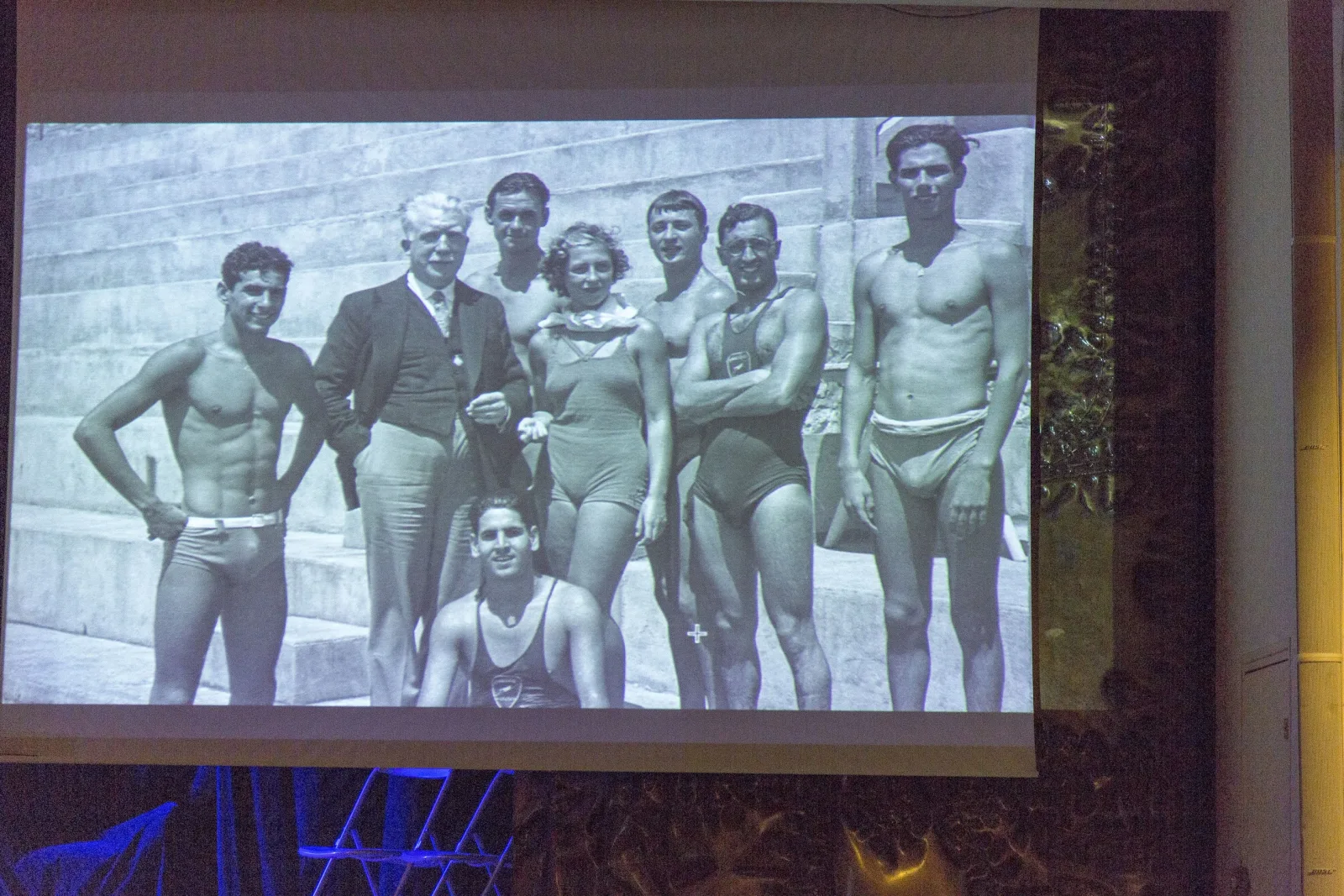
2 – This part was followed by a screening of photographs of sports competitions and sports teams from the period 1910-1956, taken by Victor Sebag, a photojournalist in Tunisia who was also a leader of sports associations. Historical explanations were provided by Gérard Sebag, son of the photographer.
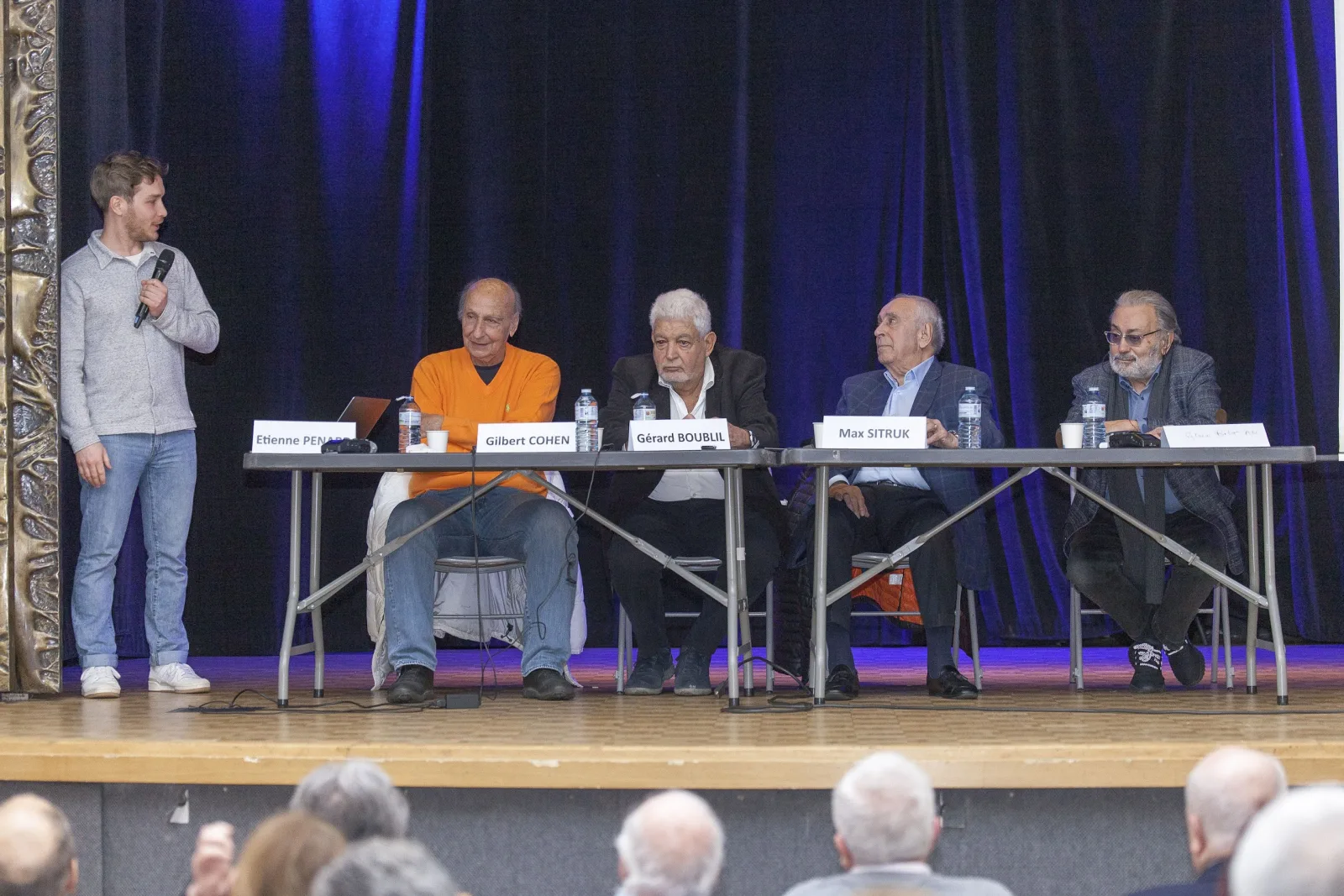
3 – The third part consisted of a round table bringing together four former Jewish athletes from Tunisia (Gilbert Cohen, Gérard Boublil, Max Sitruk and Sylvain Bitan) chaired by Etienne Pénard, a researcher at the University of Rennes and author of the first academic thesis on the sporting practice of the Jews of France, defended in 2022. This very lively round table made it possible to recall, through the athletes’ memories, the conviviality that prevailed among athletes of all origins and the more political concerns of certain leaders, particularly at the time of independence.
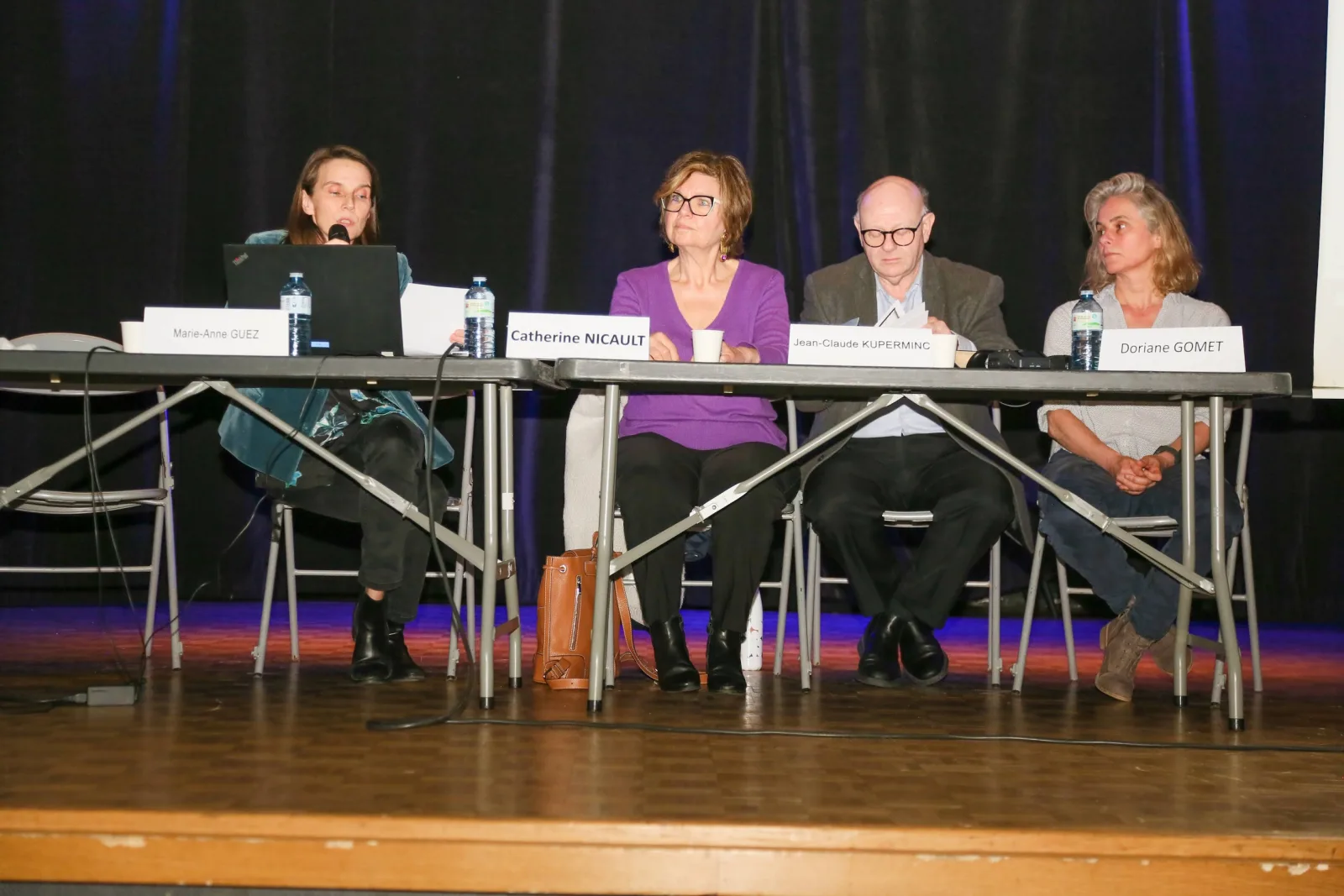
4 – The fourth part was chaired by Catherine Nicault, Professor Emerita at the University of Reims. Jean-Claude Kuperminc, curator of the archives and library of the Alliance israélite universelle, presented, with the help of documents and a short film dating from the 1930s, the physical education and sports programme of the Alliance schools in Tunisia. Marie-Anne Guez recalled the strong link between sporting practice and military preparation. The first two Jewish sports associations defined themselves and were approved as military preparation associations. Of the Tunisian Jews who volunteered in 1914-1918, more than half were members or former members of Jewish sports associations. After 1918, these associations took part in patriotic celebrations and commemorative days, and
never failed to recall the memory of their members who died on the field of honour.
Doriane Gomet for her part presented a paper on the situation of Jewish athletes under Vichy. The Statute on Jews of November 1940 did not hinder their sporting activities. Several of them took part in the Borotra Days (May 1941) and distinguished themselves there, or represented Tunisia in inter-North African competitions or in metropolitan France. But their successes raised the eyebrows of antisemites. Shortly after the Borotra Days, the Jewish sports associations were dissolved, then Jews were removed from the governing bodies of secular sports associations, and finally Jews were banned from sports competitions from September 1942.
All the afternoon parts gave rise to wide-ranging exchanges between the audience and the speakers.
Altogether, they made it possible to identify lines of research within this theme and sources available in France and in Tunisia, particularly in private archives. (1)
A committee of specialists will meet shortly to implement the work programme over one or, most likely, two years, given how broad the theme is – work in which interested researchers will take part, and, we very much hope, Israeli and Tunisian researchers, in a spirit of strictly scientific cooperation.
(1) Research will focus in particular, but not exclusively, on Judeo-Arab relations in the context of sporting practice, on the place of women in sport, on the impact of Zionist discourse on regeneration through the body, on the associative fabric, on the attitude of the different currents within the community, on sporting practice within the communities of the Tunisian interior, on the situation of Jewish athletes within the Tunisian national teams after Independence, etc.
Photo gallery
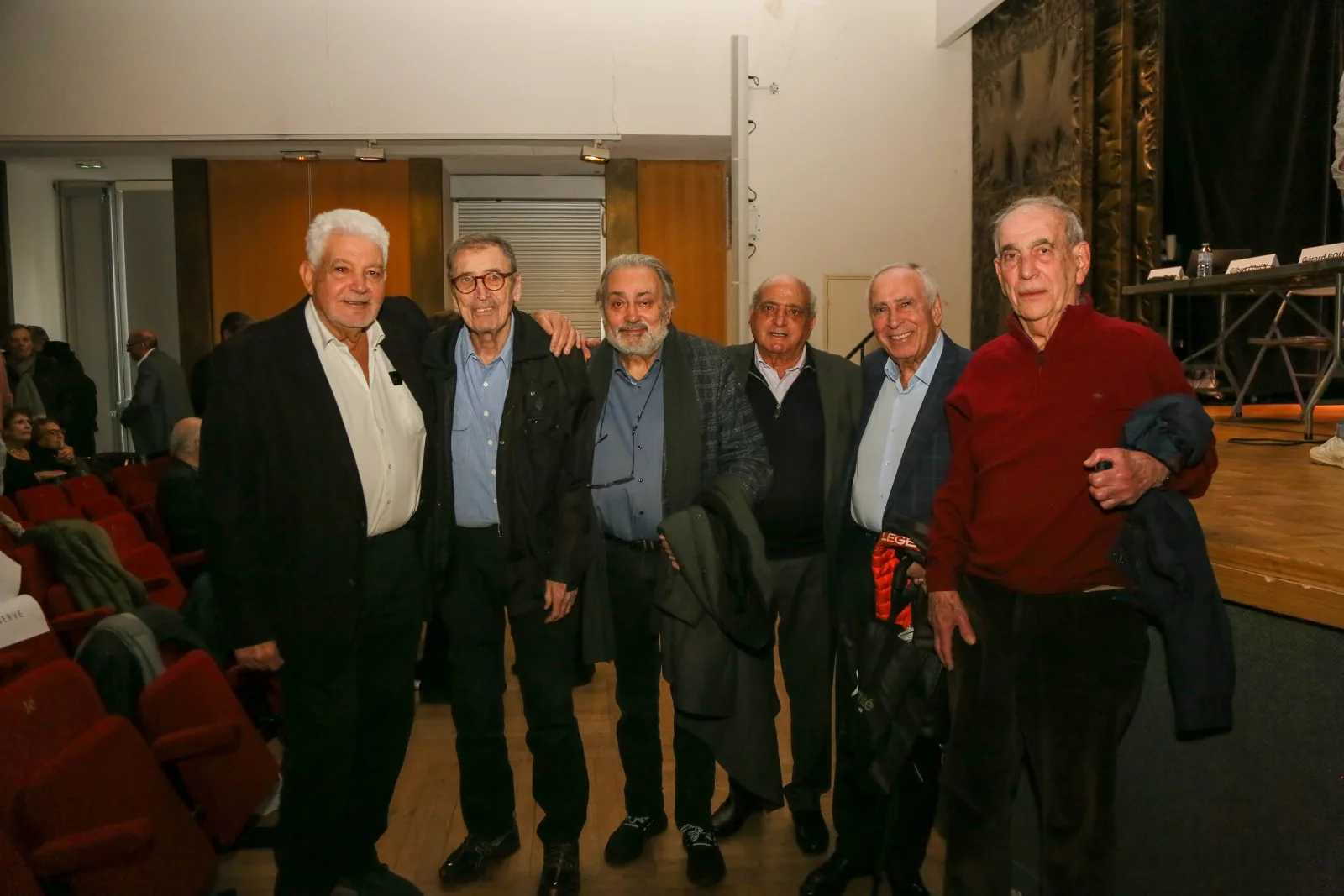
Here are a few photos looking back on this special day, whose programme you can find by following this link.
Morning
Afternoon
Image
Photos